




Iconic '60s Fashion Trends We Still Adore Today
|
Time to read 15 min

Published on
|
Time to read 15 min
Fashion changes from one decade to the next, like flipping pages in a book. Each chapter tells a new story. In the 1960s, things sped up. Old styles didn’t last as long, and the 60s fashion trends became more daring.
This was a decade of opposites, a mix of timeless grace and dauntless creativity. Classic, extravagant looks from the 1950s remained popular; however, bold, rebellious designs from the younger generation took over.
At Ashley Stewart, we craft stylish designs, such as plus-size cocktail dresses inspired by various eras, including the timeless 60s vintage style. If you want to know more about how these iconic looks shaped fashion, let’s dive in!
Fashion in the 1960s wasn’t just about clothes; it was a revolution. Bold, fun, and full of life, it broke all the old rules. From shorter skirts to wild patterns, everything in the 60s attire fashion felt fresh and exciting. Icons like Twiggy and Audrey Hepburn showed the world how to stand out. Even today, their looks inspire designers and fashion lovers.
This decade broke old rules and welcomed new ideas. Young people in big cities (modernists or the mods) started trends that caught everyone’s attention. These styles inspired both top designers and everyday clothing brands.
The miniskirt, culottes, cocktail dresses, and go-go boots were big hits. Some styles, like shiny PVC dresses, were more daring and made a statement. Mary Quant made the miniskirt famous, and Jackie Kennedy's pillbox hat became a must-have.
Bright colors, bold prints, and mixed patterns were everywhere. False eyelashes were also popular, and hairstyles came in all forms and proportions.
Here are some of the most famous trends from the 60s:
The typical daytime outfit often included a big hat over a high bouffant hairstyle. Clothes had deep armholes, wide sleeves, and rounded jackets that tapered at the hem.
For the evening, the slender look became popular. Long-waisted dresses with an overblouse replaced the fitted waistline and full skirt. Dresses with sequins or crystal beads took over from the bouffant dresses.
Designers were inspired by contemporary architecture and sculpture. This led to blouses, bias-cut designs, long, straight tunics, and short skirts. Hats were closely fitted, and makeup (especially red lips) and short hairstyles were common.
New clothing pieces like culottes, divided skirts, black cocktail dresses, and trim trouser skirts became popular for travel, streetwear, and evenings at home.
Skirts got shorter, and many were worn with low-heeled shoes to highlight the legs. Collarless coats and dresses created a long-neck effect, and some dresses featured draped cowl backs for a sleek look.
Plaids were a big favorite, along with abstract and expressionist art prints on silk. Wools were still in style but had to be lightweight and often loosely woven.
Darker colors like grape, plum, wine red, garnet, and olive green ruled the fashion scene in dress categories such as fit-and-flare dresses. Neon bright pink also became a popular color for those who wanted to stand out.
Furs and hats remained popular, including evening turbans made of tulle. They became a fashionable accessory, seen in many high-end stores.
Fashion icons like Brigitte Bardot and Mary Quant added their personal touch to 60s fashion trends. Bardot’s beehive hairstyle and Quant’s geometric prints made huge waves.
Step into retro glamour with confidence! Discover how to adapt timeless looks to your curves in our guide to smart styling.
The 1960s brought about many iconic fashion pieces that changed how people dressed. Here are a few of the most memorable styles:
Tights in bright colors like purple, black, and white became a must-have. They came in different textures, such as fishnet, herringbone, and lace.
The idea behind colored tights was to cover up knees and prevent garter gaps from sheer stockings. Pantyhose were perfect for hiding bumps, bruises, and even uneven skin tone.
Pantsuits caused a lot of buzz in the 1960s. They were made by adapting men’s suits to a women's fit. Some workplaces even banned women from wearing them.
There was a debate about whether pantsuits were empowering or disrespectful to womanhood. Despite this, women flocked to stores to buy them and pair them with attractive women's shirts, making pantsuits a hot topic.
Shift dresses were a casual option for the home, running errands, or the beach. In that era, they were not suitable for the office, especially since they were very short. The length of a woman's dress became a sign of her confidence and liberation.
The jumper dress, invented by Mary Quant, captured the playful, youthful side of fashion. With big bows, round collars, and fun prints like polka dots, these dresses made women look younger and more attractive.
Go-go boots became a classic footwear style in the 1960s. These white boots had low heels and reached right below the knee. Over time, the style grew to include knee-high boots and even boots in different colors and designs. They were the perfect addition to the bold fashion of the era.
A turtleneck is something many different people can enjoy. This sixties fashion for ladies' style became popular in films like the French classic Breathless, where it was seen in knit form. It also became part of Andy Warhol’s iconic look. Turtlenecks exploded in popularity because they were so versatile and became a symbol of cool, simple fashion.
Planning a statement look inspired by the ‘60s? Learn how to dress up for special occasions with confidence and flair.
In 1967, the girl of the year was sporting a look that the girl of 2023 would also want to wear. The miniskirt was a bold statement for women’s fashion. It was no longer about modesty; it was about showing off legs and embracing confidence.
The miniskirt became a powerful symbol of the changing times, marking the shift away from old ideals and celebrating the liberation of women’s fashion in the 60s.
The ‘60s were a time when fashion looked to the future, and designers like Courreges were at the forefront of that revolution. Drawing inspiration from space exploration and technological advances, they introduced fabrics such as PVC, nylon, and metallics into the fashion world.
These new materials represented the cutting edge of the time, with their shiny and futuristic look. Fashion during this era became more experimental, and these space-age synthetics paved the way for the bright, bold, and futuristic fashion we see today.
The swing coat was one of the standout pieces of the mid-60s, making its mark in the fashion world. In 1966, designer Courreges introduced a boxy, carefree style that was a direct response to the mature fashion of previous years.
Young people adopted the swing coat, enjoying its loose fit and the fun vibe it brought to fashion. It was a perfect blend of style and rebellion, challenging traditional ideas about women’s fashion.
In 1965, Yves Saint Laurent created a series of shift dresses inspired by the works of artist Piet Mondrian. The bold, block colors and geometric shapes used in these dresses instantly made them iconic. The design was deceptively simple, but there was a lot of technical effort behind it.
The color blocks were created by combining fabrics within the dress in a way that made the seams invisible, resulting in a clean, sharp look. The result was a dress that was both modern and artistic.
Mary Jane ballet flats became an essential part of ‘60s fashion, especially for women looking for comfort. These shoes were practical, with little to no heel, making them perfect for running around town. They were also much more comfortable than traditional heels, allowing women to walk without discomfort.
Ballet flats were often paired with dresses, skirts & t-shirts for women, or pants, providing a casual look that fits perfectly with the youthful, carefree spirit of the era. Despite offering less height, these shoes helped women feel more grounded and confident.
The leopard-print dress was one of the standout patterns of the ‘60s. It was loved by style icons like Brigitte Bardot and Elizabeth Taylor. In 1966, Bob Dylan even wrote a song called Leopard-Skin Pill-Box Hat, further cementing the pattern’s popularity.
The trend has remained iconic over the years, continuing to appear in modern fashion. Today, you’ll find leopard prints in midi skirts, outerwear, and polo shirts for women, keeping the legacy of the ‘60s alive.
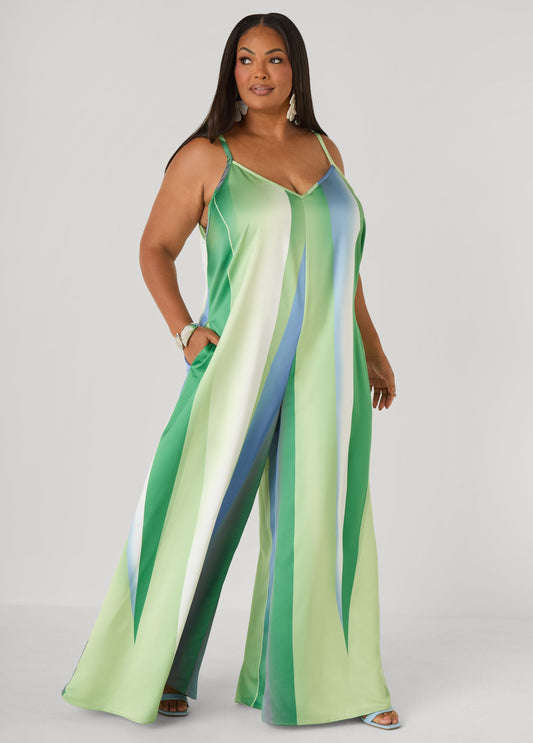
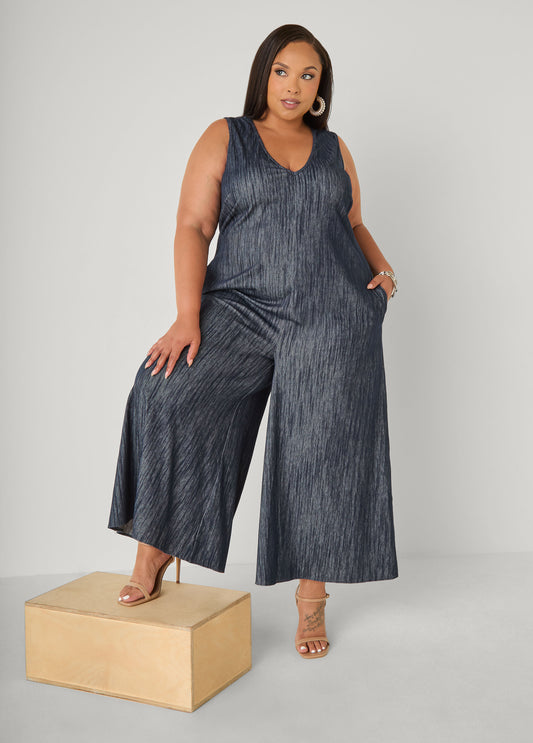
Jumpsuits were initially designed for parachuting, but they quickly found their place in the world of fashion. First introduced in Vogue in 1964, the jumpsuit became a bold, striking fashion statement. It was a full-body outfit that balanced practicality and style.
Whether made of sleek leather for a night out or designed with sporty fabric for daytime wear, the jumpsuit became a go-to for women. It was a symbol of confidence and a more adventurous side of fashion, allowing women to express themselves through bold, comfortable clothing.
Jackie Kennedy was a major fashion icon of the '60s. Her style was simple, clean, and well-fitted.
Mary Quant changed fashion in the 1960s. She made bold, fun trends available to everyone. She is credited with creating the miniskirt, hot pants, colored tights, and plastic raincoats.
Twiggy was an English model and actress. Her real name was Lesley Hornby. She made the pixie crop haircut popular, cementing short hair as a must-have.
Audrey Kathleen Hepburn, a British actress, achieved immense success in Hollywood. She became widely recognized as both a film and fashion icon.
Audrey brought back the little black dress in 1961 with her role in Breakfast at Tiffany’s. She made the dress iconic, showing that simplicity could be stunning.
From playful to rebellious styles, each fashion style of the 60s was unique and reflected the changing times. Here are four of the most iconic looks of the decade.
These fashion styles show how the 1960s had a little something for everyone, from the playful dress shirts for women to the hippies' rebellious spirit.
Hairstyles are the first accessory to any outfit. In the 1960s, some of the most famous and trending hairstyles included:
As the decade went on, hair lengths changed. They went from shoulder-length to chin-length, then to cropped styles above the ears.
The 60s outfits and appearances were all about boldness and creativity, from big hairstyles to unique clothes. They fit perfectly with 1960s fashion trends, like the button-down dresses, skirt suits, and the cool street style of the time. The evolution of hair during the decade was just one part of the overall look of 60s fashion.
Colorful 1960s clothing needed equally colorful jewelry. In the early years of the decade, jewelry still favored textured gold, pastel whites, and pearls. These designs matched the style of the 1950s.
These bold jewelry styles perfectly matched the playful and colorful styles of 60s fashion women. The influence of fashion during the 60s is evident in the vibrant jewelry choices, which were a key part of 60s women's fashion trends.
The 1960s makeup look focused on bold, dramatic eyes, creating a striking contrast with colorful clothing. The makeup was designed to highlight the eyes while keeping the rest of the face simple.
The 1960s changed fashion forever. From micro minis to bold space-age designs, every trend reflected freedom and creativity. These styles weren’t just clothes; they told stories of confidence and individuality. The playful energy of the decade continues to inspire modern wardrobes. Fashion is more than trends; it’s a celebration of self-expression that never goes out of style.
The 60s were all about bold choices. People loved wearing cocktail dresses for women with fancy styles. Bright colors, fun patterns, and unique cuts were popular. Shirt dresses, miniskirts, and go-go boots were everywhere. It was a mix of classy and casual wear.
The best thing was the freedom to try new looks. People loved wearing items like red cocktail dresses on special nights. There was something for everyone, whether they liked simple clothes or daring styles.
Mods were passionate about bold European-style clothes with strong colors and sharp lines. They also loved American soul and R&B music. This combination shaped the culture of young people. Bands like The Who, The Small Faces, and The Beatles adopted this iconic style, spreading it worldwide.
Yes! Many styles, such as trendy. Designers often take ideas from the 60s and make them fresh. With some updates, these looks are perfect for modern times. We could easily wear 60s clothes today, as they would fit and feel similar. The main differences would be in the cut, styling, and materials. Modern fabrics didn’t exist back then, so clothing relied on simpler materials.
Not all of it looked drab! Some loved soft tones like a white cocktail dress, but many chose bright prints and fun designs. This was the era when technicolor blue shag carpeting became trendy, often paired with quirky bean bag chairs. Pop culture had started gaining momentum in the late 50s, but by the time the film Dr. No debuted, it was in full swing. This cultural shift influenced everything from fashion to interior design.
Yes, it is! Bermuda shorts for women, bold prints, retro style, and miniskirts are returning. People love the mix of retro charm and today’s flair. Designers are reworking these looks to fit modern fashion while keeping their vintage appeal.
It’s often called Mod style. This included mini dresses, shift dresses, and even cocktail dresses for women. Mod's style was sleek, bold, and fun. It represented a youthful, rebellious energy that changed how people saw fashion. Apart from the mod style, other popular trends of the 60s included the hippie style, space age fashion, beatnik style, and ladylike elegance.
Fashion became fun and experimental. Women wore everything from a chic red cocktail dress to simple Bermuda shorts. It was about breaking old rules and trying new things. This shift made the 60s a decade of bold fashion statements.
The biggest trend was miniskirts and go-go boots. People also loved shirt dresses for women. Patterns like geometric shapes and florals were seen everywhere and adopted by fashion-loving ladies of that time. Accessories like oversized sunglasses and headbands added elegance to the generation's trendy look.
Try a shift dress or go for something striking, like a retro swing dress or a white cocktail dress. Add some colorful accessories or retro sunglasses to bring the look to life. Style your hair sleek and simple; it’s the perfect match. And don’t skip the dramatic eyeliner; it’s the ultimate 60s vibe and pulls the whole look together.
The creativity, boldness, and freedom of expression make it timeless. Pieces like hippie fashion wear and mini dresses fit into any era. They are stylish, practical, and fun to wear. The focus on individuality and freedom keeps the 60s style relevant even today.
Thanks for subscribing!
This email has been registered!
